Air Sealing Techniques for Surfside Beach, SC Homes
Air sealing in Surfside Beach, SC prevents conditioned air loss and outdoor humidity infiltration by closing gaps around windows, doors, penetrations, and framing joints throughout the building envelope. Coastal homes experience constant air pressure changes from wind and temperature differentials, making comprehensive air sealing essential for maintaining comfort and controlling energy costs in this oceanfront community.
Where Do Most Air Leaks Occur?
Attic access hatches, recessed lighting fixtures, plumbing penetrations, and electrical outlets represent the most common air leakage points in residential structures.
Rim joists where floor systems meet foundation walls often contain large gaps that allow unconditioned air to enter living spaces. Window and door frames settle over time, creating cracks that expand with seasonal temperature changes.
Ductwork connections in unconditioned spaces leak conditioned air before it reaches intended rooms, reducing system efficiency. Identifying these leak points requires systematic inspection with tools like blower door tests that measure total air infiltration rates.
How Does Spray Foam Provide Air Sealing?
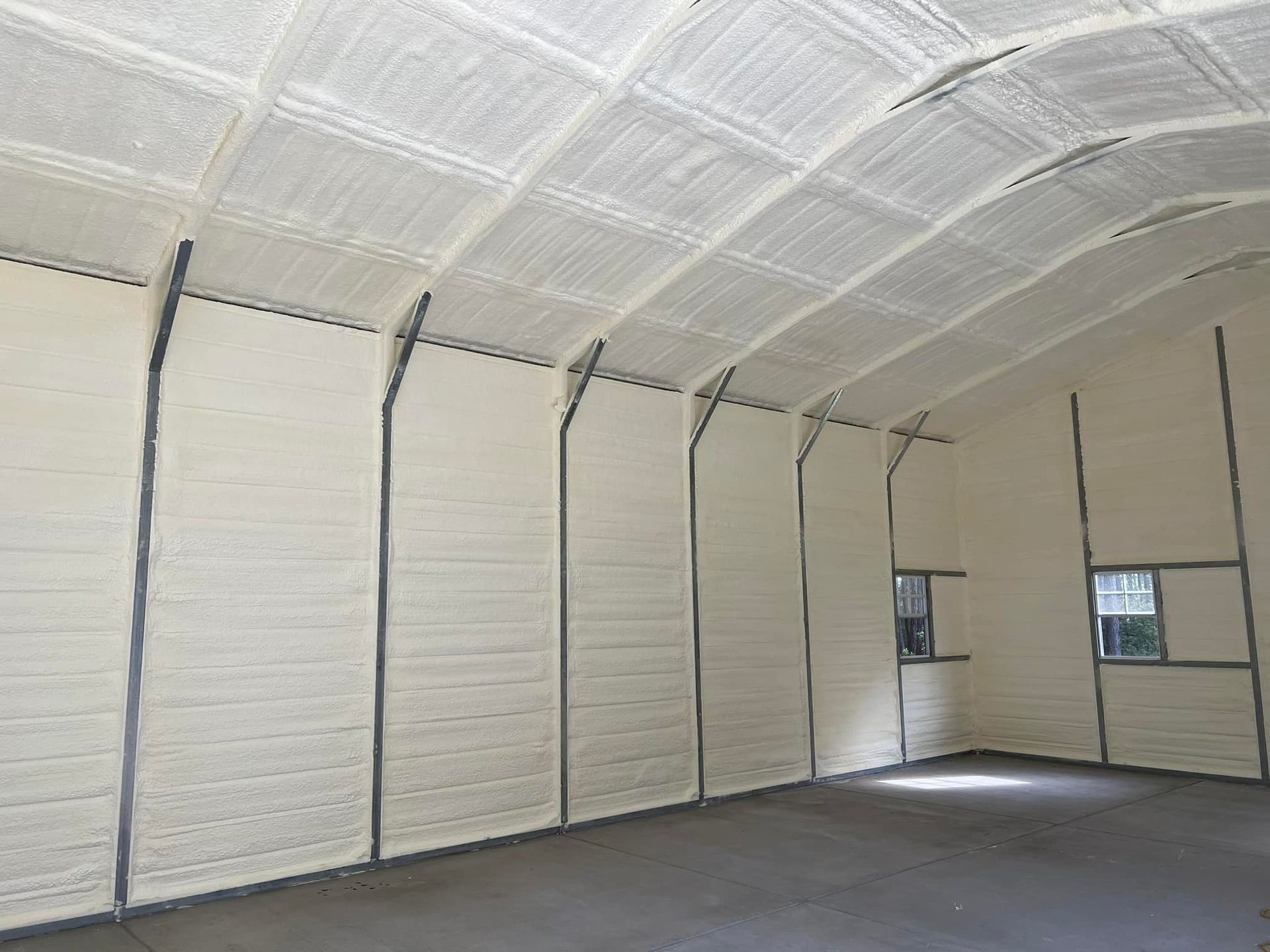
Spray foam expands to fill irregular cavities and creates an airtight seal that blocks air movement through building assemblies while simultaneously providing thermal insulation.
The foam's adhesive properties bond to framing members, sheathing, and other surfaces to eliminate gaps that allow air passage. This dual function makes spray foam more effective than traditional insulation paired with separate air barrier systems.
Closed-cell formulations offer the highest air sealing performance, achieving near-zero air permeability when applied at proper thickness. Open-cell foam provides excellent air sealing for interior applications where moisture resistance is less critical.
Can Air Sealing Reduce Humidity Problems?
Comprehensive air sealing prevents humid outdoor air from infiltrating living spaces, reducing the moisture load on dehumidification equipment and improving indoor comfort.
Surfside Beach's coastal location means outdoor air often contains more moisture than indoor air, especially during summer months. Every gap in the building envelope allows this humid air to enter, raising indoor humidity levels and promoting mold growth.
Sealing air leaks also prevents warm indoor air from escaping during winter, reducing condensation risks on cold surfaces. Residents looking to explore air sealing options in Surfside Beach often notice immediate improvements in humidity control after professional treatment.
What Tools Identify Hidden Leaks?
Blower door tests depressurize homes to amplify air leaks, making them easier to locate with thermal imaging cameras that reveal temperature differences at leak points.
Smoke pencils and infrared thermometers help pinpoint specific gaps during visual inspections. These diagnostic tools identify leaks that are invisible to the naked eye but significantly impact energy performance.
Professional energy auditors combine multiple testing methods to create comprehensive leak maps that prioritize sealing efforts based on impact. This data-driven approach ensures resources focus on the most significant air leakage sources first.
Do Building Codes Require Air Sealing?
South Carolina residential energy codes mandate specific air leakage rates measured in air changes per hour, requiring builders to demonstrate compliance through blower door testing.
Existing homes are not required to meet current code standards, but voluntary upgrades that improve air sealing can qualify for utility rebates and tax incentives. Documentation of pre- and post-sealing performance is necessary to claim these benefits.
Coastal building codes also address wind resistance and moisture management, making air sealing a critical component of storm-resistant construction. Properly sealed homes withstand pressure differentials during severe weather events more effectively than leaky structures.
How Does Surfside Beach's Location Affect Air Pressure?
Oceanfront properties experience constant wind pressure that forces air through any available opening in the building envelope, increasing infiltration rates compared to inland locations.
Stack effect pressure intensifies in multi-story homes, pulling air upward through vertical penetrations and creating negative pressure zones that draw in outdoor air. This natural convection occurs year-round but becomes more pronounced during temperature extremes.
Salt air accelerates deterioration of weatherstripping and sealants, requiring more frequent maintenance to maintain air barrier integrity. The combination of wind, humidity, and salt exposure makes Surfside Beach one of the most challenging environments for maintaining effective air sealing.
Professional air sealing transforms your home's comfort and efficiency by stopping energy waste at its source. Foam Insulation Services LLC uses advanced diagnostic equipment to identify and seal air leaks throughout your property. Start improving your home's performance by connecting with experts who provide energy assessment help in Surfside Beach and understand coastal building science.