Soundproof Insulation Applications in Murrells Inlet, SC
Soundproof insulation in Murrells Inlet, SC uses dense materials and strategic installation techniques to absorb sound waves and block noise transmission through walls, floors, and ceilings. Properties near the busy waterfront district or Highway 17 benefit significantly from acoustic treatment that creates peaceful indoor environments despite external noise sources.
How Does Insulation Block Sound Transmission?
Dense insulation materials absorb sound energy as vibrations pass through fibers or foam cells, converting acoustic energy into minimal heat and preventing sound waves from traveling through building assemblies.
Mass and density determine sound-blocking effectiveness; heavier materials resist vibration more effectively than lightweight alternatives. Filling wall cavities completely eliminates air gaps that allow sound to pass through unimpeded.
Decoupling techniques that separate wall surfaces from framing members prevent direct vibration transfer, further enhancing sound isolation. Combined with dense insulation, these methods achieve significant noise reduction between spaces.
Which Rooms Benefit Most from Acoustic Treatment?
Bedrooms adjacent to living areas, home offices near high-traffic zones, and media rooms require soundproofing to maintain privacy and reduce disturbances from household activities.
Bathrooms benefit from acoustic insulation that prevents plumbing noise from disturbing adjacent rooms. Laundry rooms and mechanical spaces containing HVAC equipment generate significant noise that soundproofing contains effectively.
Multi-family properties and townhomes use soundproof insulation in shared walls and floor assemblies to meet building codes and improve resident satisfaction. Homeowners looking to explore soundproof options in Murrells Inlet often prioritize spaces where noise complaints occur most frequently.
Can Spray Foam Provide Sound Dampening?
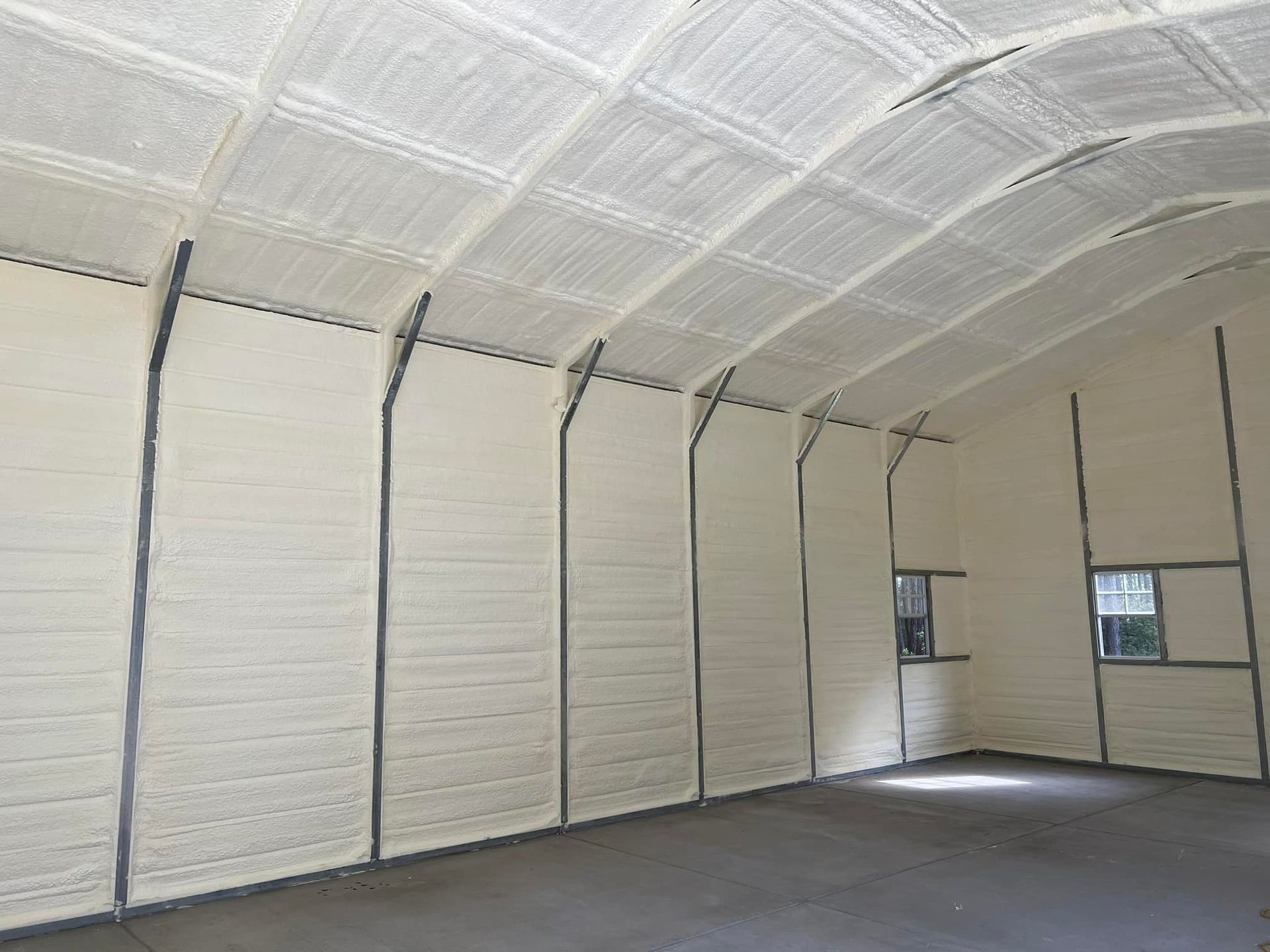
Open-cell spray foam offers excellent sound absorption properties due to its lower density and air-permeable structure that traps sound waves within the foam matrix.
While closed-cell foam provides some acoustic benefit, its rigid structure reflects more sound than it absorbs. Open-cell formulations achieve better sound dampening performance in interior wall applications where moisture resistance is not required.
Spray foam's ability to fill irregular cavities completely eliminates air gaps that compromise acoustic performance in traditional batt insulation installations. This complete fill ensures consistent sound reduction across the entire wall assembly.
What Installation Methods Improve Acoustic Performance?
Staggered stud framing and double-wall construction create air gaps that interrupt sound transmission paths, significantly improving acoustic isolation between rooms.
Resilient channels mechanically decouple drywall from framing, preventing vibration transfer. Combined with dense insulation filling the cavity, this approach achieves high Sound Transmission Class ratings.
Sealing all penetrations with acoustic caulk prevents sound flanking through electrical boxes, pipes, and ductwork. Attention to these details ensures the insulation system performs as designed without acoustic weak points.
Do Building Codes Address Soundproofing?
South Carolina building codes require minimum Sound Transmission Class ratings for multi-family dwelling units to ensure adequate acoustic privacy between living spaces.
Single-family homes are not subject to mandatory soundproofing requirements, but voluntary improvements enhance livability and property value. Achieving specific STC ratings requires documented material specifications and installation methods.
Commercial properties including hotels and medical offices face stricter acoustic performance standards to protect occupant privacy and comfort. Professional installation ensures compliance with applicable codes and performance expectations.
How Does Murrells Inlet's Location Affect Noise Levels?
Properties near the MarshWalk entertainment district experience elevated noise from restaurants, live music venues, and waterfront activities, especially during tourist season and weekend evenings.
Highway 17 traffic generates constant background noise that affects homes within a quarter mile of the corridor. Boat traffic and marina activities contribute additional sound sources in waterfront neighborhoods.
The area's popularity as a tourist destination means seasonal noise fluctuations, with summer months bringing increased activity and sound levels. Soundproof insulation helps residents maintain peaceful indoor environments regardless of external conditions.
Creating quiet, comfortable living spaces enhances your quality of life and protects your investment. Foam Insulation Services LLC installs acoustic insulation systems designed for maximum noise reduction and long-term performance. Discover how professional soundproofing can transform your home by connecting with specialists who provide residential insulation help in Murrells Inlet and understand local noise challenges.