Understanding Crawl Space Insulation Benefits in Aynor, SC
Crawl space insulation in Aynor, SC creates a moisture barrier that protects structural wood from humidity damage while reducing energy loss through the floor system. Homes in this region face high humidity levels year-round, making proper crawl space treatment essential for preventing mold, wood rot, and pest infiltration that compromise both health and home value.
How Does Spray Foam Seal Crawl Spaces?
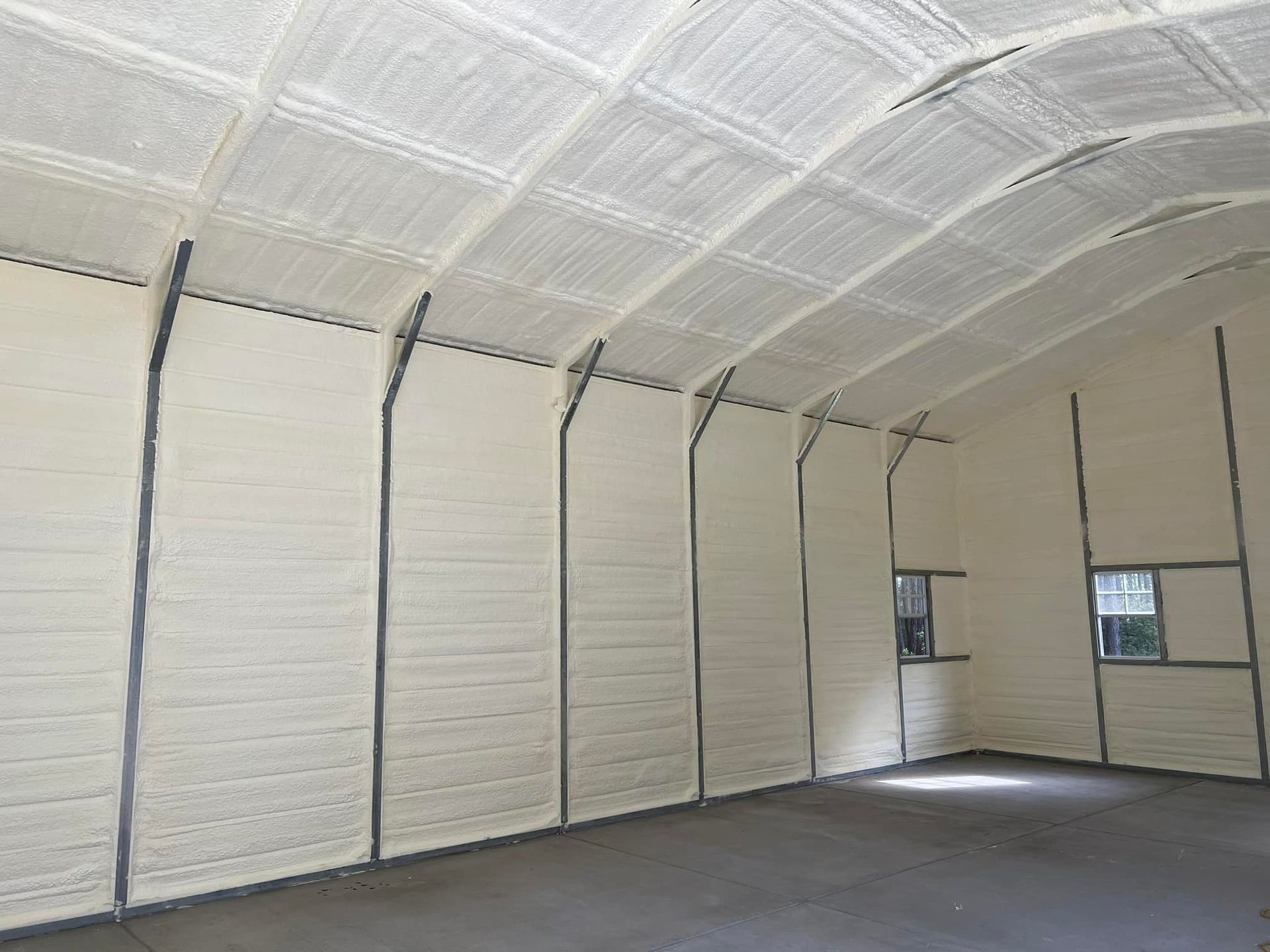
Closed-cell spray foam expands to fill gaps and cracks, creating an airtight seal that blocks moisture vapor and outdoor air from entering the crawl space.
This application adheres directly to foundation walls and rim joists, forming a continuous insulation layer that eliminates thermal bridging. The rigid foam structure resists water absorption, preventing the material from sagging or losing effectiveness over time. Homeowners looking to explore crawl space options in Aynor often start with a moisture assessment to determine the best approach.
Unlike fiberglass batts that can trap moisture and promote mold growth, spray foam remains dimensionally stable in humid conditions. The sealed environment reduces the workload on HVAC systems by preventing conditioned air from escaping through floor penetrations.
Which Vapor Barrier Systems Work Best?
Heavy-duty polyethylene sheeting rated at 10 mil or thicker provides the most reliable moisture protection when installed over crawl space floors and sealed at seams.
The barrier extends up foundation walls and attaches securely to prevent ground moisture from evaporating into the space. Proper installation includes overlapping seams by at least 12 inches and using specialized tape designed for long-term adhesion in damp environments.
Combined with perimeter drainage systems, vapor barriers keep relative humidity below 60 percent, the threshold where mold spores begin to colonize organic materials. This layered approach addresses both liquid water intrusion and vapor transmission.
What Causes Crawl Space Humidity in Aynor?
Aynor's proximity to coastal moisture sources and sandy soil composition allow ground water to rise through capillary action, releasing vapor into unprotected crawl spaces.
Summer dew points frequently exceed 70 degrees, creating conditions where warm outdoor air condenses on cooler foundation surfaces. Inadequate ventilation traps this moisture, leading to standing water, musty odors, and accelerated wood decay.
The region's flat topography and seasonal rainfall patterns contribute to poor natural drainage around foundations. Without proper grading and moisture control systems, crawl spaces become reservoirs for humidity that migrates upward into living areas through stack effect pressure.
Can Insulation Lower Floor Temperature Differences?
Insulated crawl spaces eliminate the cold floor sensation common in winter by maintaining consistent temperatures between the ground level and living spaces above.
Thermal imaging studies show uninsulated crawl spaces can be 15 to 20 degrees colder than interior rooms during winter months. This temperature differential forces heating systems to run longer cycles to maintain comfort, increasing energy consumption and utility costs.
Spray foam insulation on foundation walls transforms the crawl space into a semi-conditioned zone that stabilizes floor temperatures. Residents notice warmer floors in winter and reduced cooling costs in summer as the insulation prevents heat transfer in both directions.
Proper crawl space treatment protects your home's foundation and improves comfort throughout every season. Foam Insulation Services LLC provides comprehensive moisture control and insulation solutions tailored to Aynor's climate conditions. Schedule an assessment to find residential insulation help in Aynor and discover how professional installation can enhance your property's performance and value.